
Heat, Humidity, and Wound Healing: Skin Care in South Florida's Climate
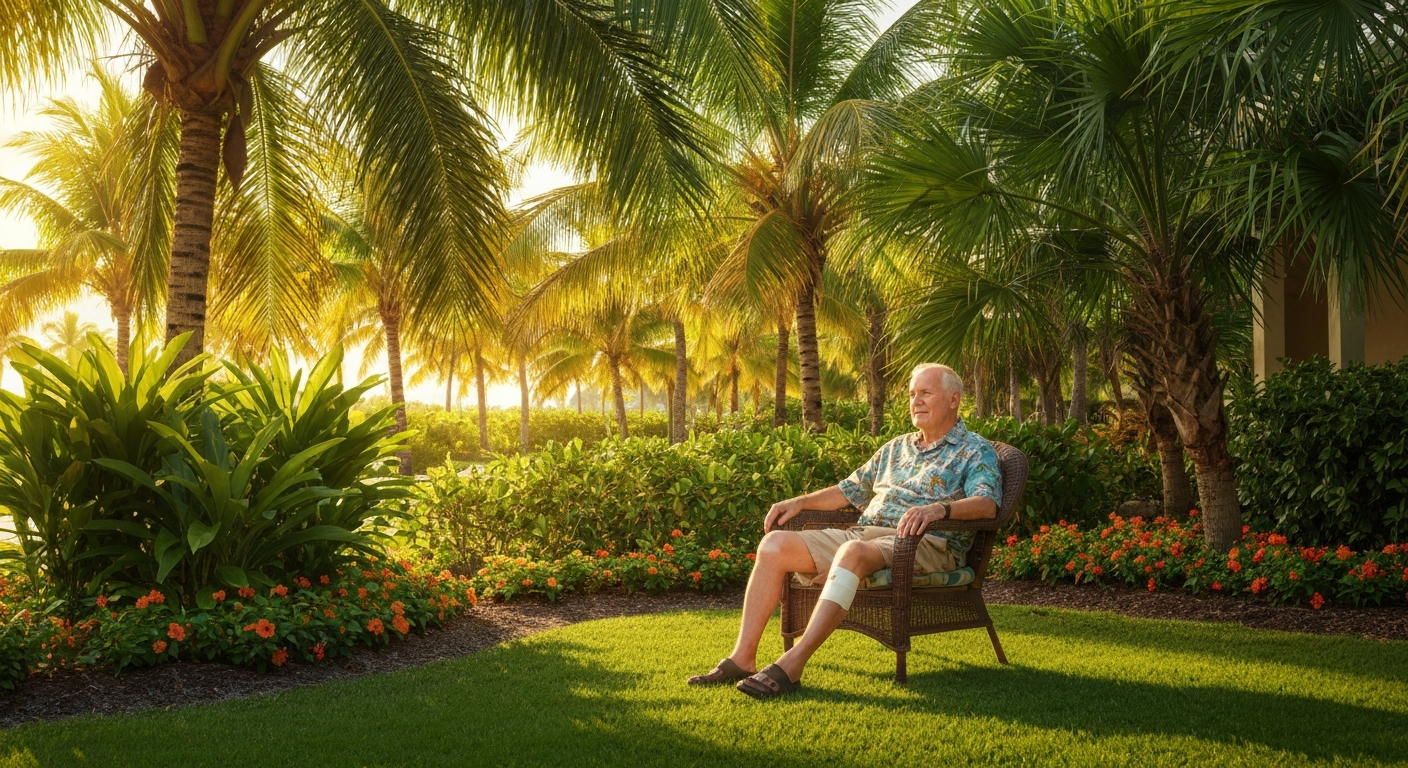
Heat, Humidity, and Wound Healing: Skin Care in South Florida's Climate
Living in South Florida offers many benefits, but the region's intense heat and high humidity present unique challenges for wound healing and skin care. For patients recovering from wounds, whether they are surgical incisions, pressure ulcers, or traumatic injuries, the tropical climate can complicate the healing process and increase the risk of infection.
Understanding how heat and humidity affect the skin and knowing how to adapt your wound care routine are essential steps in promoting optimal healing. Wound Care Miami-Dade is committed to helping patients in communities like Coral Gables and Pinecrest connect with licensed, insured in-home wound care providers who understand these local challenges.
The Impact of Heat and Humidity on Skin
High temperatures and humidity levels can lead to excessive sweating, which creates a moist environment on the skin. While a certain amount of moisture is beneficial for wound healing, too much can lead to moisture-associated skin damage (MASD). MASD occurs when prolonged exposure to moisture—such as sweat, urine, or wound exudate—causes the skin to become soft, wrinkled, and more susceptible to tearing and infection.
The American Academy of Dermatology (AAD) provides valuable insights on how extreme weather can affect skin health and the importance of adapting skincare routines accordingly.
Moisture-Associated Skin Damage (MASD)
In South Florida, the risk of MASD is elevated due to the constant humidity. When the skin around a wound (the periwound area) becomes overly moist, it can break down, enlarging the wound and delaying the healing process. This is particularly concerning for patients with pressure ulcers or those who are bed-bound, as air circulation around the skin is often limited.
To prevent MASD, it is crucial to keep the periwound skin clean and dry. Licensed in-home wound care providers can apply barrier creams or skin protectants that shield the healthy skin from excess moisture while allowing the wound itself to maintain an optimal healing environment.
Dressing Choices in Humid Climates
Choosing the right wound dressing is vital in a humid climate. Dressings must be able to manage the wound's exudate (drainage) without trapping excess sweat against the skin. Highly absorbent dressings, such as foams or alginates, may be recommended by healthcare professionals to handle high levels of moisture.
Additionally, the frequency of dressing changes may need to be increased during the hotter, more humid months. Sweat can compromise the adhesive properties of bandages, causing them to loosen and potentially exposing the wound to bacteria. In-home care providers can assess the effectiveness of the current dressing and adjust the care plan to ensure the wound remains protected.
Hydration and Wound Healing
While managing external moisture is important, maintaining internal hydration is equally critical for wound healing. The body requires adequate fluids to transport nutrients and oxygen to the wound site and to flush out toxins. In the heat of South Florida, the risk of dehydration is significant.
The CDC's heat-health guidance emphasizes the importance of drinking plenty of fluids, regardless of your activity level, during hot weather. Proper hydration helps maintain skin elasticity and supports the cellular processes necessary for tissue repair.
Air-Conditioning and Skin Integrity
Air-conditioning is a staple in South Florida homes, providing relief from the heat and humidity. However, constant exposure to air-conditioned environments can dry out the skin, leading to flakiness and cracking, which can impair skin integrity and slow down wound healing.
To balance the effects of air-conditioning, it is important to moisturize the intact skin regularly. Using a gentle, fragrance-free lotion can help maintain the skin's natural barrier. However, avoid applying lotions directly to the wound or the immediate periwound area unless directed by a healthcare professional.
Managing Daily Activities in the Heat
For patients who are mobile, managing daily activities in the South Florida heat requires planning. Avoid spending extended periods outdoors during the peak heat hours, typically between 10 AM and 4 PM. If you must go outside, wear loose, breathable clothing that covers and protects the wound from direct sunlight and environmental contaminants.
Sunburn can severely damage healing skin and exacerbate existing wounds. While you should keep the wound covered, ensure that the rest of your exposed skin is protected with a broad-spectrum sunscreen. Remember that newly healed skin is particularly sensitive to UV rays and can easily hyperpigment or burn.
The Importance of Professional In-Home Care
Navigating the complexities of wound care in a challenging climate is often best handled with professional assistance. Licensed in-home wound care providers bring specialized knowledge and tools to manage the delicate balance of moisture and protection required for optimal healing.
These professionals can also provide personalized education on how to protect your wound during daily activities, such as showering or light exercise, ensuring that your recovery remains on track despite the environmental challenges.
Preventing Infections in a Tropical Climate
Warm, moist environments are ideal breeding grounds for bacteria and fungi. Therefore, the risk of wound infections can be higher in tropical climates. Signs of infection include increased pain, redness, swelling, unusual odor, or pus-like drainage.
Maintaining strict hygiene practices is essential. Always wash your hands thoroughly before and after touching the wound or changing dressings. If you suspect an infection, contact a healthcare provider immediately. Connecting with a licensed in-home wound care provider through Wound Care Miami-Dade ensures that you have expert eyes monitoring the wound for any signs of complications.
Ready to Start Healing?
Managing wound healing in South Florida's heat and humidity requires a careful balance of moisture control, proper dressing selection, and adequate hydration. By understanding the unique challenges posed by the climate and adapting your care routine, you can promote faster and safer healing.
Wound Care Miami-Dade is here to help patients navigate these challenges by connecting them with licensed, insured in-home wound care providers who are experienced in managing wounds in tropical environments. Our referral service is designed to provide you with access to the expert care you need, right in the comfort of your home.
If you or a loved one needs assistance with in-home wound care in Miami-Dade County, please contact us. We are ready to connect you with professionals who can support your journey to recovery.
REQUEST A CALL: (786) 882-2666