
Nutrition for Wound Healing: What to Eat While Recovering at Home
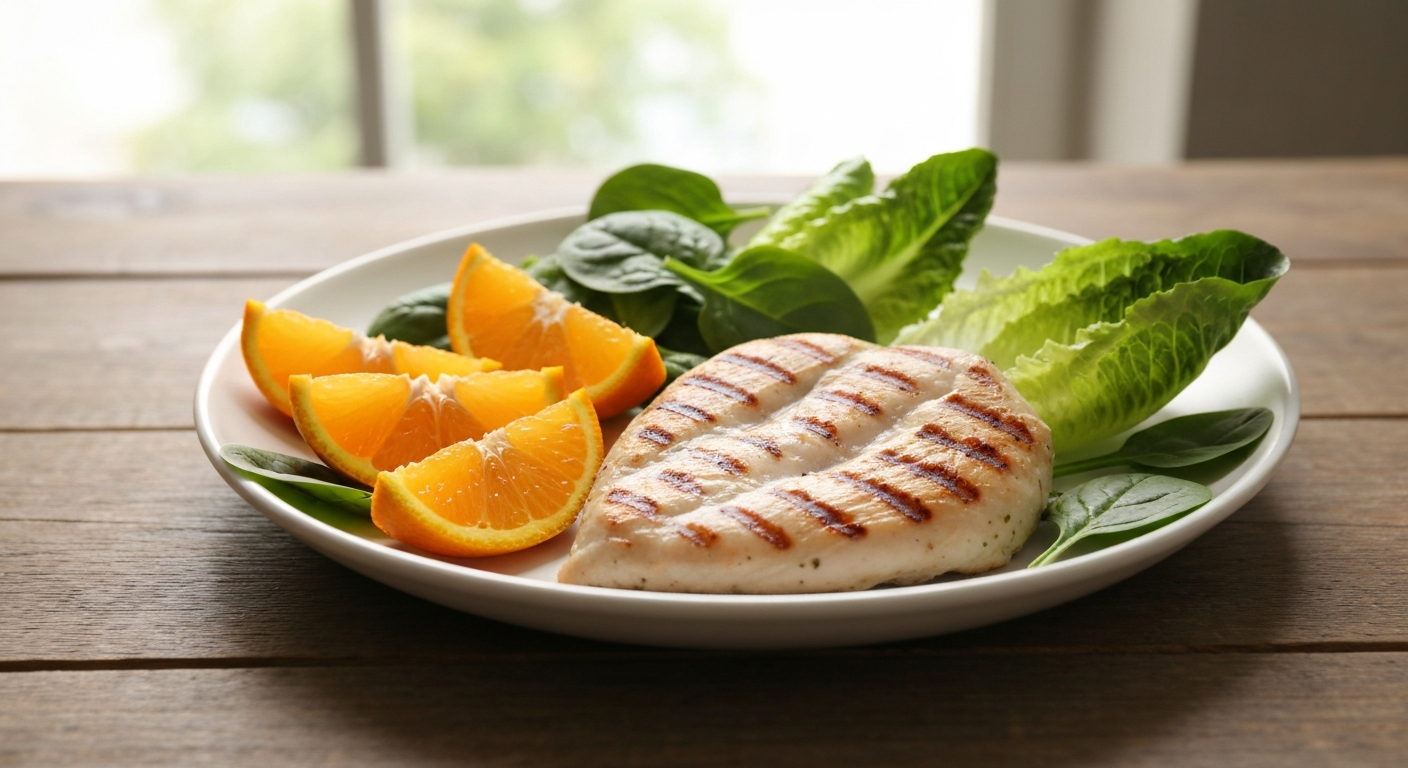
Nutrition for Wound Healing: What to Eat While Recovering at Home
When recovering from a wound—whether it is a surgical incision, a traumatic injury, or a chronic condition like a venous ulcer—proper nutrition is one of the most critical factors in the healing process. The body requires a significant amount of energy and specific nutrients to repair damaged tissue, fight off potential infections, and rebuild skin and muscle.
For patients recovering at home in Miami-Dade County, understanding what to eat can make a substantial difference in recovery times. Wound Care Miami-Dade is dedicated to connecting you with licensed, insured in-home wound care providers who understand the holistic nature of healing. In this guide, we will explore the essential nutrients needed for wound repair and provide practical meal guidance.
The Role of Protein in Tissue Repair
Protein is the building block of all human tissue. During the wound healing process, your body's demand for protein increases significantly. Proteins are broken down into amino acids, which are then used to synthesize new tissue, create enzymes, and support the immune system.
A deficiency in protein can lead to delayed healing, increased risk of infection, and a decrease in the strength of the new tissue. Good sources of high-quality protein include:
- Lean meats (chicken, turkey, beef)
- Fish and seafood
- Eggs
- Dairy products (milk, cheese, Greek yogurt)
- Plant-based options (beans, lentils, tofu, quinoa, and nuts)
For seniors or those with a reduced appetite, incorporating protein-rich snacks or nutritional shakes between meals can help meet these increased requirements.
Vitamin C: Essential for Collagen Production
Vitamin C is a powerful antioxidant that plays a vital role in the synthesis of collagen, the primary structural protein in the skin and connective tissues. It also supports the immune system and helps the body absorb iron from plant-based foods.
To boost your Vitamin C intake, incorporate plenty of fresh fruits and vegetables into your daily diet. Excellent sources include:
- Citrus fruits (oranges, grapefruits, lemons)
- Strawberries, kiwi, and papaya
- Bell peppers (especially red and yellow)
- Broccoli, Brussels sprouts, and tomatoes
The NIH Office of Dietary Supplements provides detailed information on the daily recommended intake of Vitamin C and its health benefits.
Zinc: Supporting Cell Division and Immune Function
Zinc is a trace mineral that is crucial for DNA synthesis, cell division, and protein synthesis—all of which are required for wound healing. It also plays a key role in immune function, helping to protect the wound from infection.
While the body only needs small amounts of zinc, a deficiency can severely impair the healing process. Foods rich in zinc include:
- Oysters and other shellfish
- Red meat and poultry
- Pumpkin seeds and hemp seeds
- Lentils, chickpeas, and beans
- Fortified cereals
The Importance of Hydration
Hydration is often overlooked in discussions about nutrition, but it is absolutely essential for wound healing. Water is the primary component of blood, which transports oxygen, nutrients, and immune cells to the wound site. It also helps flush away toxins and dead cells.
In the warm climate of South Florida, the risk of dehydration is higher. Aim to drink at least 8 to 10 glasses of water a day, unless your physician has placed you on a fluid restriction. Herbal teas, broths, and water-rich fruits like watermelon and cucumbers can also contribute to your daily fluid intake.
Practical Meal Guidance for Seniors
For many seniors, preparing complex meals can be exhausting, especially when recovering from a wound. Here are some practical tips to ensure adequate nutrition without the stress of extensive cooking:
- Batch Cooking: Prepare larger portions of soups, stews, or casseroles that can be easily reheated over several days.
- Smoothies: Blend Greek yogurt, spinach, berries, and a scoop of protein powder for a nutrient-dense, easy-to-consume meal.
- Snacking: Keep easy-to-eat snacks on hand, such as hard-boiled eggs, cheese sticks, nuts, and pre-cut fruit.
- Meal Delivery Services: Consider utilizing local meal delivery services that offer nutritionally balanced options tailored for seniors.
The Academy of Nutrition and Dietetics offers excellent resources and practical advice for healthy aging and managing nutrition during recovery.
Managing Blood Sugar Levels
For patients with diabetes, managing blood sugar levels is a critical component of wound healing, particularly for diabetic foot ulcers. High blood glucose levels can impair immune function, damage blood vessels, and slow down the healing process.
Focus on consuming complex carbohydrates that have a low glycemic index, such as whole grains, legumes, and non-starchy vegetables. These foods release glucose slowly into the bloodstream, helping to maintain stable blood sugar levels. Avoid sugary beverages, refined carbohydrates, and excessive sweets.
When to Ask About Supplements
While it is always best to obtain nutrients from whole foods, sometimes dietary intake is not enough to meet the increased demands of wound healing. This is especially true for patients with poor appetites, malabsorption issues, or very severe wounds.
If you are struggling to eat enough or are concerned about your nutrient intake, discuss the possibility of dietary supplements with your primary care physician or a registered dietitian. They may recommend specific protein powders, multivitamins, or targeted supplements like Vitamin C or Zinc to support your recovery.
Coordinating with In-Home Care Providers
The licensed in-home wound care providers we connect you with understand the vital link between nutrition and healing. During their visits to your home in Coral Gables or Aventura, they can assess how well your wound is progressing and offer general guidance on supporting your recovery through diet.
They can also communicate with your primary care physician if they notice signs that your nutritional status may be hindering your healing, ensuring a comprehensive approach to your care.
The Role of Vitamin A and Iron
In addition to Vitamin C and Zinc, Vitamin A and Iron are also critical for wound healing. Vitamin A supports the inflammatory response in the early stages of healing and stimulates the production of collagen. Good sources include sweet potatoes, carrots, spinach, and liver.
Iron is essential for delivering oxygen to the wound site. Without adequate oxygen, tissue repair is severely compromised. Iron-rich foods include red meat, poultry, fish, lentils, and fortified cereals. Consuming Vitamin C alongside plant-based iron sources can significantly improve iron absorption.
Ready to Start Healing?
Proper nutrition is a powerful tool in your recovery arsenal. By focusing on adequate protein, essential vitamins and minerals like Vitamin C and Zinc, and staying well-hydrated, you provide your body with the necessary building blocks to repair tissue and fight infection.
Wound Care Miami-Dade is committed to helping you achieve the best possible outcomes by connecting you with licensed, insured in-home wound care providers. Our referral service ensures that you receive holistic, expert care in the comfort of your own home.
If you or a loved one needs assistance with in-home wound care, please contact us today. We are here to support your healing journey.
REQUEST A CALL: (786) 882-2666