
How to Talk to Your Insurance Company About In-Home Wound Care Coverage
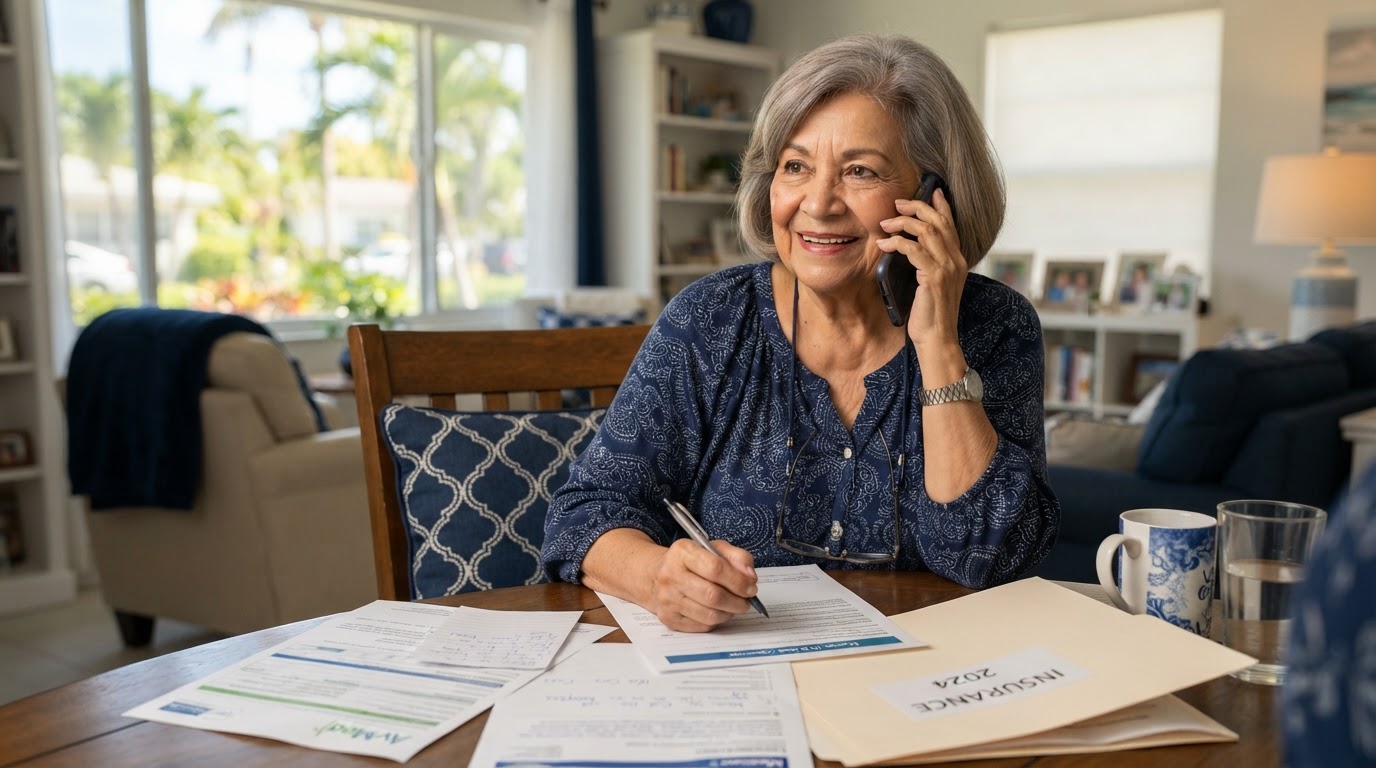
How to Talk to Your Insurance Company About In-Home Wound Care Coverage
Figuring out whether your insurance will pay for in-home wound care can feel like a maze. Between the plan names, the prior authorization rules, and the paperwork, many Miami-Dade families put off making the call until a bill arrives. The good news is that most of the confusion clears up once you know which questions to ask and which numbers to have in front of you.
This guide walks you through exactly what to say to your insurance company, what documents to gather first, and how to handle a denial without panic. Wound Care Miami-Dade connects families with licensed, insured in-home wound care providers who accept Original Medicare Part B, Preferred Care Partners, UnitedHealthcare Dual Complete, and WellCare, so you are never starting from scratch.
Gather Your Information Before You Call
Before you dial the number on the back of your insurance card, take ten minutes to collect a few essentials. Having these ready makes the call shorter and gives you a reference point if you need to call back later.
- Your member ID number and group number from the insurance card
- The date the wound care was ordered and the name of the ordering physician
- The specific services you are asking about, such as skilled nursing visits, wound VAC therapy, or specialty dressings
- The name and NPI number of the in-home provider if you already have one lined up
Write down the date and time of every call, the name of the representative you speak with, and a reference number for the conversation. If a dispute comes up later, these notes are your proof of what you were told.
Ask the Right Questions
Insurance representatives answer hundreds of calls a day, so being specific helps you get accurate answers. Ask these questions in order:
- Is in-home skilled wound care a covered benefit under my plan? This confirms the service exists in your coverage at all.
- Do I need prior authorization before care begins? Original Medicare generally does not require it for medically necessary home health, but many Medicare Advantage plans do. If prior authorization is required, ask how long the review typically takes.
- Is the provider I plan to use in-network? If you live in Miami or Hialeah, confirm the provider serves your area and is in-network to avoid higher out-of-pocket costs.
- What will my out-of-pocket cost be per visit? Ask whether you pay a copay, coinsurance, or nothing until your deductible is met.
- Are wound care supplies covered separately? Dressings, gauze, and durable medical equipment are sometimes billed under a different benefit than the nursing visit itself.
Understand the Difference Between Original Medicare and Advantage
If you have Original Medicare Part B, in-home wound care is typically covered at 80 percent of the Medicare-approved amount after your deductible, as long as a physician certifies the care is medically necessary and you meet homebound criteria. You can read more about these distinctions in our article comparing Original Medicare vs. Medicare Advantage.
If you have a Medicare Advantage plan such as Preferred Care Partners, UnitedHealthcare Dual Complete, or WellCare, the rules differ. These plans often require prior authorization, use specific provider networks, and may have different copay structures. Always confirm the details with your specific plan rather than assuming the rules are the same as a neighbor's.
The Medicare.gov getting started guide is a reliable reference for understanding your basic benefits, and the Florida SHINE program offers free, unbiased counseling for Miami-Dade seniors who want help interpreting their coverage.
What to Do If Coverage Is Denied
A denial is not the end of the road. Denials often happen because of a paperwork issue, a missing prior authorization, or a coding error, not because the care is truly excluded. If you receive a denial:
- Read the denial letter carefully and note the specific reason given
- Call your insurance company and ask for clarification in plain language
- Ask your physician or in-home provider to submit additional documentation supporting medical necessity
- Request a formal appeal within the deadline listed in the denial letter, which is usually 60 days
Many denials are overturned on appeal when the physician provides a clearer statement of why in-home care is necessary, especially for complex wounds like pressure ulcers or diabetic foot ulcers.
Keep a Paper Trail
Save every explanation of benefits, denial letter, and approval notice in a single folder, whether paper or digital. When you call, reference these documents by date. A clear paper trail makes appeals faster and helps your in-home provider coordinate billing on your behalf.
How Wound Care Miami-Dade Helps
You do not have to navigate this alone. The licensed, insured providers we connect you with are experienced in working with the major plans serving Miami-Dade County. They can help verify coverage, obtain prior authorization, and coordinate supply deliveries so you are not stuck chasing paperwork while a wound waits to heal.
Ready to Start Healing?
Talking to your insurance company about in-home wound care coverage does not have to be overwhelming. By gathering your information, asking the right questions, and keeping clear records, you can avoid surprises and focus on what matters most: healing.
If you need help finding a licensed in-home wound care provider who accepts your plan, Wound Care Miami-Dade is here to connect you.
Call (786) 882-2666 - we'll verify your insurance, and a nurse can often visit within 24-48 hours.