
Understanding Wound Debridement: A Patient's Guide
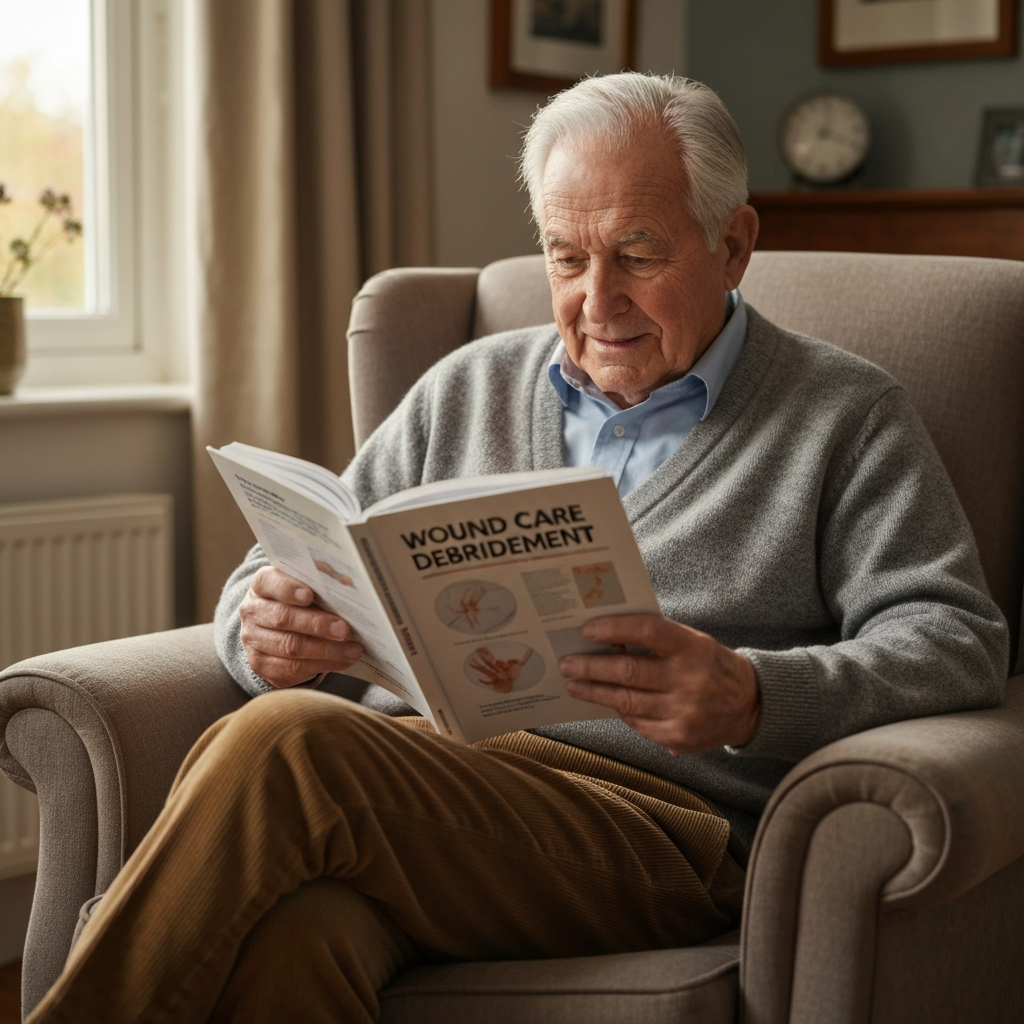
Understanding Wound Debridement: A Patient's Guide
When dealing with a chronic or slow-healing wound, you may hear your healthcare provider mention the term "debridement." While it might sound intimidating, debridement is a standard, highly effective procedure crucial for promoting wound healing. If you are receiving in-home care in Miami-Dade County, understanding this process can help alleviate anxiety and prepare you for your treatments.
Wound Care Miami-Dade connects patients with licensed, insured in-home wound care providers who are skilled in various debridement techniques. This guide will explain what debridement is, the different types available, why it is necessary, and what you can expect in terms of comfort.
What is Wound Debridement?
Debridement is the medical process of removing dead (necrotic), damaged, or infected tissue from a wound. Think of it as preparing a garden bed before planting seeds; you must clear away the weeds and dead leaves so new, healthy plants can grow. Similarly, a wound cannot heal properly if it is covered in dead tissue or bacteria.
When dead tissue accumulates in a wound, it creates a physical barrier that prevents new, healthy tissue from forming. It also serves as a breeding ground for bacteria, significantly increasing the risk of infection. By removing this barrier, debridement jump-starts the body's natural healing processes.
For more detailed medical definitions and patient instructions, MedlinePlus offers excellent resources on wound care and debridement.
Why Debridement Matters for Stalled Wounds
Many chronic wounds, such as slow-healing wounds or pressure ulcers, can become "stalled" in the inflammatory phase of healing. This means the wound stops progressing toward closure. Dead tissue, known as slough (which is often yellow and stringy) or eschar (which is black and leathery), is a primary culprit in stalled wounds.
Debridement transforms a chronic, stagnant wound into an acute, active wound. It stimulates the release of growth factors and allows healthy blood flow to reach the wound bed, delivering the oxygen and nutrients necessary for tissue repair. The Wound Healing Society emphasizes that adequate debridement is a foundational step in the standard of care for chronic wounds.
The Main Types of Debridement
There are several methods of debridement. The licensed in-home providers we connect you with will follow your physician's orders to determine the most appropriate method based on the wound's condition, your overall health, and your pain tolerance.
1. Autolytic Debridement
This is the most conservative and natural form of debridement. It uses the body's own enzymes and moisture to soften and break down dead tissue. The wound care provider will apply a specialized moisture-retaining dressing (such as a hydrocolloid or hydrogel) that keeps the wound bed moist, allowing your body to do the work.
- Pros: Very gentle, virtually painless, and highly selective (it only targets dead tissue).
- Cons: It is a slower process and may not be suitable for severely infected wounds.
2. Enzymatic Debridement
Enzymatic debridement involves applying a prescribed topical ointment directly to the dead tissue in the wound. These ointments contain chemical enzymes that actively break down and dissolve the necrotic tissue.
- Pros: Faster than autolytic debridement and effective for patients who may not be candidates for surgical or sharp debridement.
- Cons: Requires a prescription and careful application to avoid irritating surrounding healthy skin.
3. Mechanical Debridement
This method uses physical force to remove dead tissue. A common historical example is "wet-to-dry" dressings, where wet gauze is placed in the wound, allowed to dry, and then pulled out, taking dead tissue with it. However, this method is less favored today because it can be painful and may remove healthy tissue along with the dead tissue.
Modern mechanical debridement often involves specialized irrigation devices that use a pressurized stream of sterile saline to wash away debris and bacteria.
4. Sharp Debridement
Sharp debridement is a clinical procedure where a healthcare professional uses a scalpel, scissors, or curette to carefully cut away the dead tissue. In an in-home setting, specially trained and licensed wound care nurses or physical therapists may perform conservative sharp debridement.
- Pros: It is the fastest way to remove dead tissue and jump-start healing.
- Cons: It requires a skilled clinician and may cause some discomfort or minor bleeding.
Comfort Expectations During Debridement
A common concern among patients is whether debridement will hurt. The level of discomfort depends heavily on the type of debridement being used and the sensitivity of the wound.
Autolytic and enzymatic debridement are generally painless, as they work gradually without physical cutting. Mechanical debridement can cause some discomfort, depending on the pressure used.
Sharp debridement involves cutting, but the dead tissue itself has no nerve endings and cannot feel pain. However, the surrounding healthy tissue may be sensitive. If sharp debridement is ordered, the clinician will communicate with you throughout the process. They may apply a topical numbing cream beforehand or suggest taking a prescribed pain reliever 30 minutes before the visit to ensure your comfort.
If you live in Hialeah or anywhere in Miami-Dade, the providers we connect you with prioritize your comfort and safety, adjusting their techniques based on your feedback.
Post-Debridement Care
After a wound is debrided, it may temporarily look larger or deeper. This is normal; the dead tissue was simply hiding the true extent of the wound. The wound bed should now appear pink or red, indicating healthy blood flow.
The provider will apply an appropriate dressing to protect the newly exposed tissue and maintain a healthy moisture balance. It is crucial to follow all instructions regarding keeping the dressing clean and dry between visits.
Ready to Start Healing?
Debridement is an essential and effective step in healing chronic and stalled wounds. By clearing away the barriers to healing, it allows your body to rebuild healthy tissue. Understanding the different methods and knowing what to expect can help you feel more confident and comfortable during your treatments.
Wound Care Miami-Dade is a referral service dedicated to connecting patients with licensed, insured in-home wound care providers who are experienced in advanced wound management techniques, including debridement. Our network providers work with Original Medicare Part B, Preferred Care Partners, UnitedHealthcare Dual Complete, and WellCare.
If you have a non-healing wound and need professional in-home care, please reach out to us. We are here to connect you with the expertise you need to heal safely at home.
REQUEST A CALL: (786) 882-2666