
Fall Prevention for Wound Care Patients: Staying Safe at Home in Miami-Dade
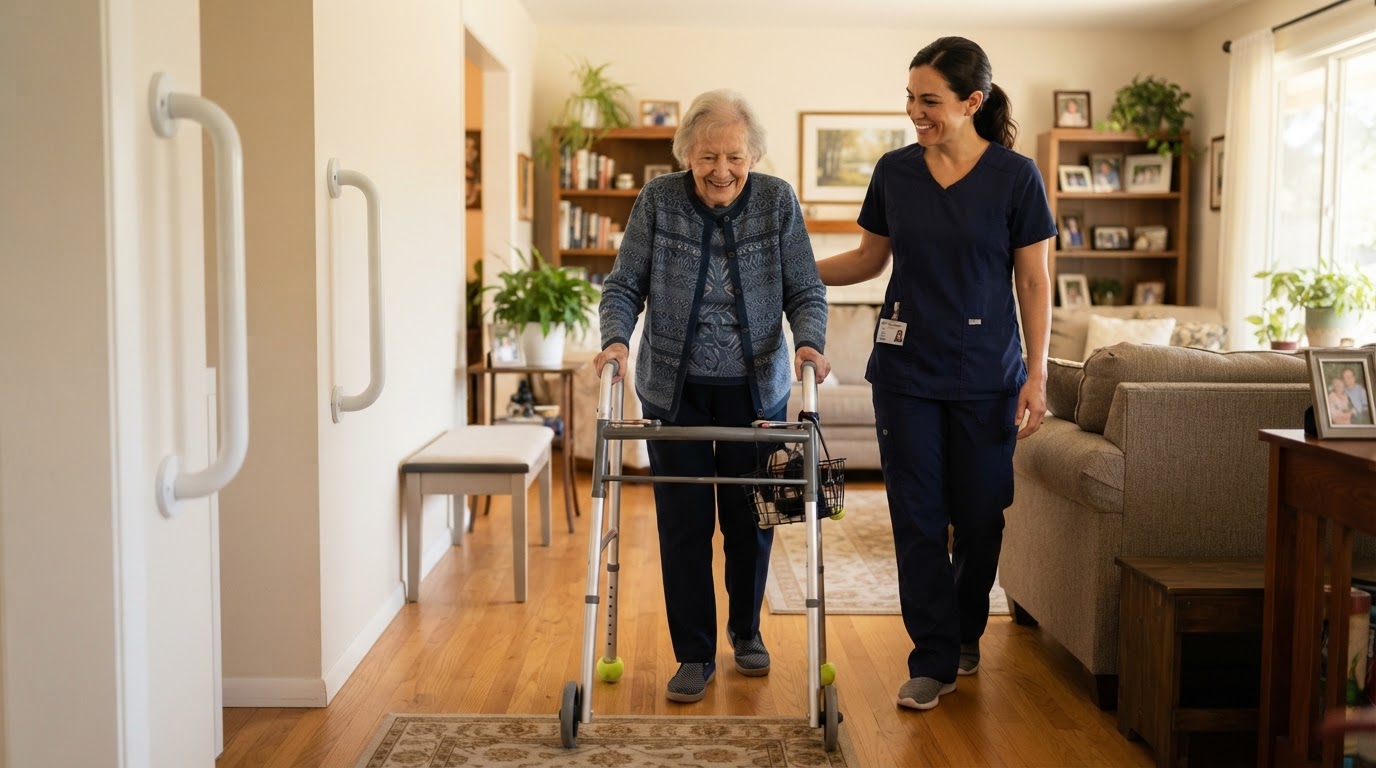
Fall Prevention for Wound Care Patients: Staying Safe at Home in Miami-Dade
A fall can turn a healing wound into a serious setback. A patient who is already weak, unsteady, or recovering from surgery is at high risk of falling, and a fall can reopen a wound, cause a new injury, or lead to a hospital stay. For Miami-Dade families, preventing falls is one of the most important parts of caring for a loved one with a wound.
This guide covers practical fall prevention steps for wound care patients at home. Wound Care Miami-Dade connects families with licensed, insured in-home wound care providers who can assess fall risks as part of every visit.
Why Wound Care Patients Fall More Often
Several factors raise fall risk during wound recovery:
- Pain and weakness. A painful wound changes how a person walks or stands, leading to unsteadiness.
- Medications. Pain medications, blood pressure drugs, and sleep aids can cause dizziness or drowsiness. Read more in our guide on pain management during wound healing.
- Mobility aids. Using a new walker or cane takes practice, and misuse can cause falls.
- Deconditioning. Time spent resting can weaken muscles and reduce balance.
- Foot wounds. A diabetic foot ulcer or other foot wound changes gait and increases stumbling risk.
Home Modifications That Prevent Falls
Simple changes at home dramatically reduce fall risk:
- Remove trip hazards. Clear loose rugs, electrical cords, and clutter from walkways.
- Improve lighting. Add nightlights in hallways and bathrooms, and ensure stairways are well-lit.
- Install grab bars. Place sturdy grab bars in the bathroom, near the toilet and inside and outside the shower.
- Use non-slip surfaces. Apply non-slip strips to bathtubs and shower floors, and use non-slip mats at entrances.
- Secure flooring. Fix loose tiles or floorboards and remove threshold strips that catch feet.
The CDC's Still Going Strong program offers excellent, practical guidance on preventing falls and injuries in older adults.
Footwear and Foot Care
Footwear is a major, often overlooked, fall risk. Wound care patients should wear supportive, non-slip shoes that fit well, even indoors. Avoid walking in socks alone or loose slippers. For patients with foot wounds, offloading shoes or specialized footwear prescribed by a physician protect the wound while reducing stumble risk.
Check feet daily for new wounds or changes, especially for patients with diabetes. Our guide on preventing diabetic foot ulcers includes a daily foot-check routine.
Mobility and Strength
With physician approval, gentle movement helps maintain strength and balance. Simple seated exercises, ankle pumps, and assisted walking keep muscles engaged. If a mobility aid has been prescribed, make sure it is fitted correctly and that the patient knows how to use it safely. The National Institute on Aging provides safe exercise guidance for older adults.
Medication Review
Ask the physician or pharmacist to review all medications for fall risk. Some combinations cause dizziness or low blood pressure on standing. Never stop a medication without medical guidance, but do ask whether doses can be adjusted to reduce side effects.
Coordinating with In-Home Care
A licensed in-home wound care provider does more than treat the wound. They observe how the patient moves, notice new unsteadiness, and can flag fall risks to the physician. For families in Miami, Miami Lakes, or anywhere in the county, this added layer of observation is invaluable.
The providers we connect you with accept Original Medicare Part B, Preferred Care Partners, UnitedHealthcare Dual Complete, and WellCare.
What to Do If a Fall Happens
If a fall occurs, do not try to move the patient immediately. Check for new pain, bleeding, or inability to move a limb. If the wound has reopened or the patient cannot get up safely, call for medical help. Even if there is no obvious injury, contact the physician, as a fall can cause subtle damage that needs evaluation.
Ready to Start Healing?
Preventing falls protects both the patient and the healing wound. With home modifications, proper footwear, medication review, and professional in-home support, families can create a safer recovery environment.
Wound Care Miami-Dade is here to connect you with licensed, insured providers who treat wounds and watch for fall risks at every visit.
Call (786) 882-2666 - we'll verify your insurance, and a nurse can often visit within 24-48 hours.