
Recognizing Wound Infection: Early Signs Every Caregiver Should Know
Recognizing Wound Infection: Early Signs Every Caregiver Should Know
If you are caring for a loved one with a wound at home in Miami-Dade, knowing the difference between normal healing and a developing infection can prevent serious complications. A wound that becomes infected may stall, grow deeper, or even lead to hospitalization if left unchecked. The good news is that most infections give clear early warning signs, and catching them quickly makes treatment far simpler.
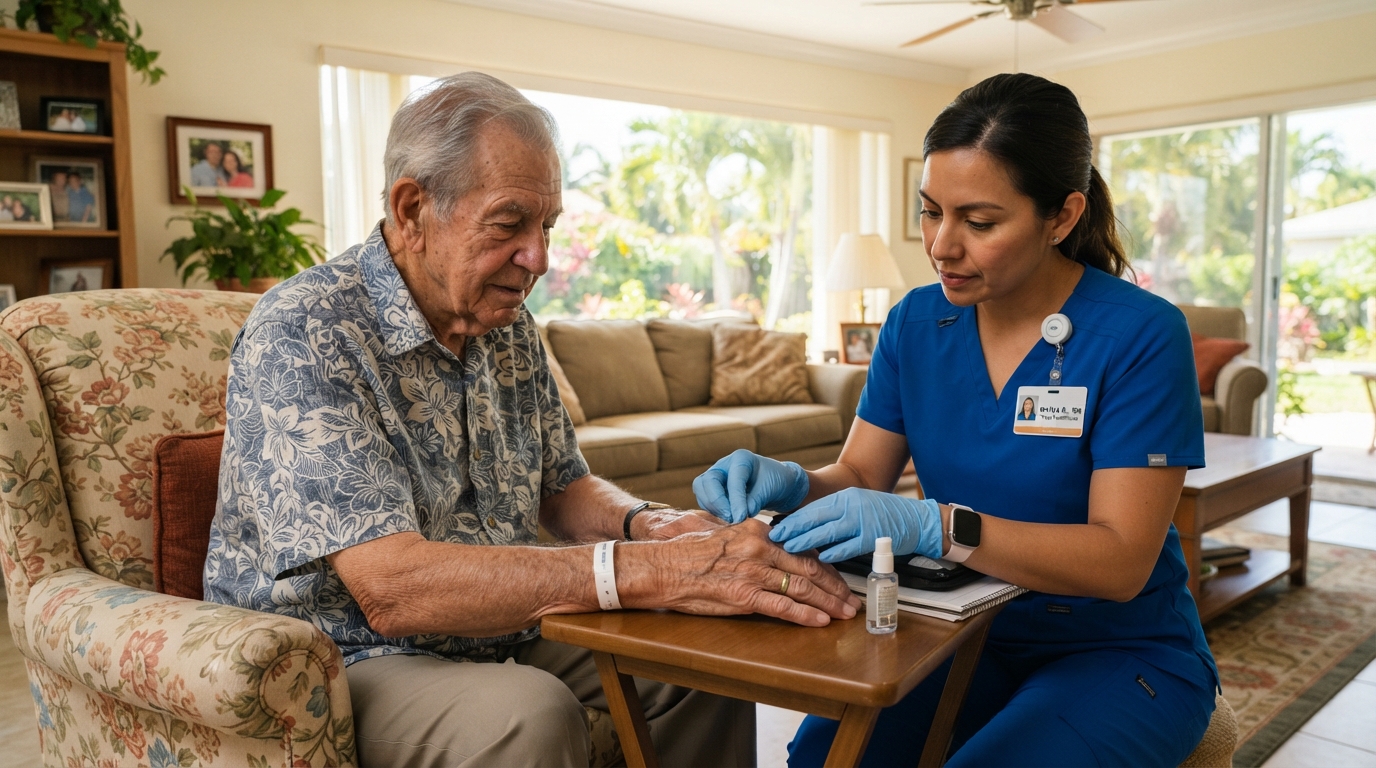
Wound Care Miami-Dade connects families with licensed, insured in-home wound care providers who can assess wounds in the comfort of your home. Whether you live in Miami or Kendall, a nurse can usually reach you within a day or two of your call.
What Normal Healing Looks Like
Before discussing infection signs, it helps to understand what a healthy healing wound looks like. In the first few days, you can expect mild redness, slight swelling, and clear or slightly yellow drainage. The area around the wound may feel tender. These are all part of the inflammatory phase, your body's natural response to injury.
As healing progresses over the following days and weeks, the redness should fade, drainage should decrease, and new pink tissue should begin filling the wound bed. The edges of the wound should gradually pull together. If things are moving in this direction, the wound is likely healing well.
Early Signs of Infection to Watch For
Infection occurs when bacteria multiply faster than your body can fight them off. Here are the key warning signs every caregiver should monitor:
1. Increased or Spreading Redness
Some redness around a fresh wound is normal. However, if the redness spreads outward from the wound edges, or if you notice red streaks extending from the area, this is a sign that infection may be moving into the surrounding tissue or lymphatic system. Track the redness by drawing a circle around its border with a pen, then check if it extends beyond that line the next day.
2. Unusual or Foul Odor
A healing wound should not smell offensive. If you notice a sour, sweet, or putrid odor coming from the wound, even after cleaning it, this often indicates bacterial growth or necrotic tissue. Different bacteria produce different odors, and a trained wound care nurse can often identify the type of infection by its smell and appearance.
3. Changes in Drainage
Clear or slightly yellowish drainage is normal early on. Be concerned if the drainage becomes thick, cloudy, green, brown, or pus-like. A sudden increase in drainage volume is also a red flag. If the wound is soaking through dressings faster than before, infection may be the cause.
4. Increased Pain
Pain should gradually decrease as a wound heals. If your loved one reports a sudden spike in pain, or if the wound begins throbbing, this can signal an underlying infection. Do not assume that increased pain is just part of the process, especially if it is accompanied by any other signs on this list.
5. Warmth Around the Wound
When the body fights an infection, it sends more blood to the affected area. Gently place your hand near the wound and compare the temperature to the surrounding skin. If the area feels noticeably warmer, infection is a possibility. This is especially relevant in South Florida's climate, where ambient heat can sometimes mask this sign.
6. Fever, Chills, or Confusion
A fever above 100.4 degrees Fahrenheit, chills, body aches, or sudden confusion in an elderly patient can mean the infection has spread beyond the local wound site. This is a medical emergency. Contact a physician immediately or go to the nearest emergency room.
Who Is Most at Risk?
Some patients are more vulnerable to wound infections than others. Risk factors include diabetes, which impairs circulation and immune function; poor nutrition; compromised immune systems; and advanced age. Patients with diabetic foot ulcers are particularly susceptible because neuropathy may prevent them from feeling pain, one of the earliest warning signs.
If your loved one falls into any of these categories, daily wound monitoring is especially critical. A licensed in-home wound care provider can perform professional assessments and catch infections before they become dangerous.
What to Do If You Suspect Infection
If you notice any of the warning signs above, do not wait to see if they resolve on their own. Here are the steps to take:
- Contact your physician: Call the doctor who ordered the wound care and describe the symptoms. They may prescribe antibiotics or adjust the treatment plan.
- Do not remove the dressing unnecessarily: Frequent dressing changes can introduce bacteria. Leave the current dressing in place unless a healthcare professional advises otherwise.
- Arrange professional care: Wound Care Miami-Dade can connect you with a licensed in-home provider who can assess the wound, take cultures if needed, and begin infected wound treatment right away.
Preventing Infections in South Florida's Climate
The warm, humid environment of Miami-Dade creates ideal conditions for bacterial growth. To reduce infection risk, keep the wound clean and dry between dressing changes. Ensure the patient showers rather than takes baths, and avoid submerging the wound in water. If the patient sweats heavily, the dressing may need to be changed more frequently to prevent moisture buildup.
For more information on wound care in tropical climates, read our guide on heat, humidity, and wound healing in South Florida.
The Role of Professional In-Home Care
A licensed wound care nurse brings clinical expertise that goes beyond what a family caregiver can provide. They can stage the wound accurately, identify subtle signs of infection that a layperson might miss, and communicate directly with the physician to adjust treatment. For patients in areas like Hialeah or Coral Gables, having a nurse come to the home eliminates the need for difficult trips to a clinic.
The providers we connect you with accept Original Medicare Part B, Preferred Care Partners, UnitedHealthcare Dual Complete, and WellCare, making care accessible and affordable.
Ready to Start Healing?
Recognizing the early signs of wound infection is one of the most valuable skills a caregiver can develop. By monitoring for spreading redness, unusual odors, changes in drainage, increased pain, warmth, and systemic symptoms like fever, you can catch problems early and seek help before they escalate.
If you are concerned about a wound, do not hesitate to reach out. Wound Care Miami-Dade will connect you with a licensed nurse who can come to your home, assess the wound, and provide the care your loved one needs.
Call (786) 882-2666 - we'll verify your insurance, and a nurse can often visit within 24-48 hours.